I was wondering what the content of that oath was, but apparently it didn't actually have much content. It was simply a card that one signed stating quite literally "oath of allegiance to the United States." Here is a picture of such a card:
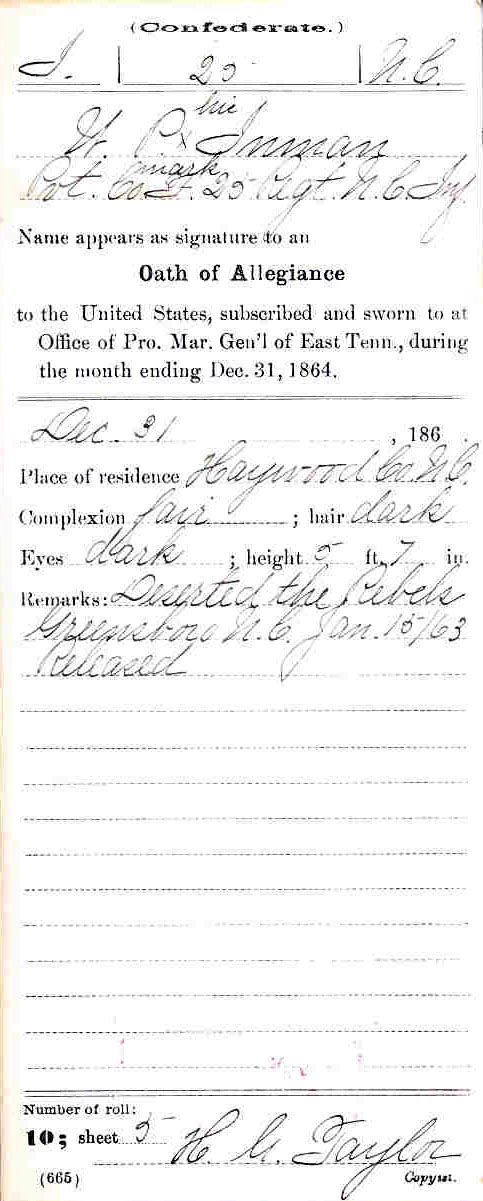
The pledge of allegiance that is said in U.S. classrooms seems in sentiment, at least, to have extended from the rifts experienced during the civil war since that is when oaths began to be required for certain people's political participation.
Then I got to wondering when it was that a bunch of what could be considered propaganda got thrown into the language of the pledge of allegiance and when it became necessary to say "under God", for example, and it turns out that a representative from Michigan sponsored a bill in 1954 to add it in and voila, it's what we have today. Oddly enough, the religious part of the pledge was added in by the government, but the original language of the pledge was not actually developed by the government. To my surprise, the pledge was authored by a guy named Francis Bellamy who was actually a Christian Socialist. He published the pledge of allegiance in 1892 to commemorate Columbus Day in a magazine for children based in Boston called The Youth's Companion. The pledge of allegiance was proliferated in schools, but wasn't actually adopted by congress until 1942 in the middle of WWII; the legislation was intended "to codify and emphasize existing customs pertaining to the display and use of the flag of the United States of America." Congress also included another change...the original stance for reciting the pledge was with the right arm outstretched as pictured here:
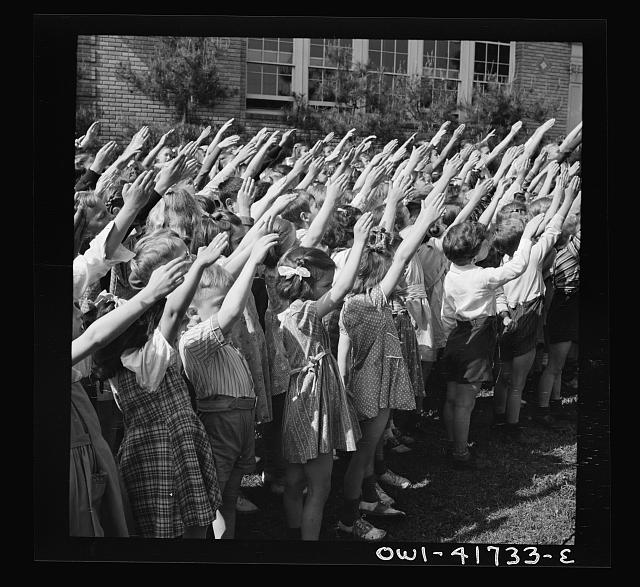
Given the timing of 1942 and the eery similarity to the Nazi salute, congress changed the stance to hand-over-heart. I knew some of this, but it is still jarring to see American school kids in the picture above making that salute. What a strange little history, right?

No comments:
Post a Comment
Note: Only a member of this blog may post a comment.